Stop Wasting. Start Improving. A Practical Guide to Lean Manufacturing Principles Training
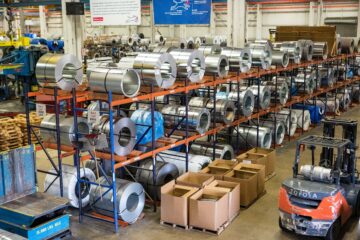
Right there on the factory floor, reality shows itself plainly. What happens sticks out if you just look. Step inside one, wait a short while, then decide: if real effort lives here, or only pretenses do. Watch hands at work, eyes searching shelves, carts rolling slowly or smoothly. Years have passed since we began guiding teams on lean manufacturing training, past textbook talk toward habits that last. Ideas gather dust unless used daily; paper promises won’t power progress.
What Is Lean Manufacturing?
Lean manufacturing is not about copying Japanese factories; it is a systematic principle for waste identification and elimination while at the same time giving customers maximum value. The main objective is to supply precisely what is needed at a specific time and use fewer resources than planned.
Imagine it as structured common-sense utilizing arranged activity. Most producers mostly know what their issues are exactly, be it excessive inventory, workers waiting on missing parts, rework loops devouring margins, etc. Lean principles training offers the basis for structural shifts, fixing these for good instead of battling the same fires quarterly.
The Principles Behind Every Successful Lean Operation
These are daily real decisions taken that accumulate to a company becoming more competitive:
- Value comes first, and it is defined entirely by your customer. Not what you think is valuable—what they’ll actually pay for. A feature that took engineering six months but doesn’t solve a customer problem? That’s a waste of a development budget.
- Value Stream mapping forces you to see every action required to deliver a product, from raw material to customer delivery. Most organizations discover that only 5-10% of their activities actually add value. The rest is waste hiding in plain sight.
- Flow is when work glides forward when nothing blocks its path. Stalled progress means piles of unfinished tasks grow. Lead times stretch out, slowing everything down. Cash sits idle instead of circulating freely through active projects. Effective lean methodology training teaches you to spot flow disruptions before they crater your delivery schedule.
- Pull systems turn the traditional way of manufacturing. Instead of making the prediction and producing material based on that, you collect it according to the demand of consumers. It is hard for the mind to agree initially, until you see how the business goes without some stuff in stock and with 40% margins.
- Perfection doesn’t mean being defect-free just for tomorrow. The target is to be relentless and to improve step by step. Having more than one win is a good strategy. A second saved from cycle time seems not very big until you multiply it by 50,000.
Image credits: Pixabay
Why Lean Manufacturing Principles Matter?
More and more service organizations are adopting lean principles because waste is not an exclusive problem of the factory floor. Principles translate for the service because the fundamentals are the same: understand value from the customer’s perspective, kill waste, improve flow, respond to real demand, and never stop improving.
Companies that embrace lean process training not only cut costs but also become flexible and resilient, which, in return, adds to the competitive edge. The benefits are seen in the form of increased margins, shorter lead times, and being able to handle market shifts, which can turn overnight.
The 8 Types of Waste in Lean Manufacturing
Seven wastes were recognized by Toyota. Western producers included an eighth because they noticed it was the one that frequently hindered otherwise good operations.
- Defects consume resources in two operations: the first one is to produce the wrong item, and the second one is to fix it. And the hidden ones as well: the customer loses trust; they have to pay for express delivery; the supervisor has to waste time telling people why the order was delivered late.
- Overproduction is the deadly lurking problem. Building in excess of the demand may seem an efficient operation, but remember, you are animating cash flow, converting it into inventory that probably will not sell at the full price. Strong lean training programs drive the point home with solid, measurable P&L results—you can almost see the numbers inked on the balance sheet.
- Waiting includes people or machines being idle because something is not ready. It is very common: operators wait for material delivery, machines wait for changeover, and emails wait for approval. Every minute you spend waiting is one you’re paying for without getting a thing, like watching the clock tick while your coffee cools.
- Non-Utilized Talent is what happens when you hire people who are very good, only to let them sit idle or give them boring tasks, or not even ask for their input regarding how to improve the process. Your floor operators know where the problems are—if you’re not listening, you’re wasting their expertise.
- Transportation is all about adding costs without realizing any profits. Each time you handle inventory that isn’t directly involved in the manufacturing process, you are spending money, thus risking physical damage, and all of it without any customer advantages whatsoever.
- Inventory hoards capital and conceals the main problems. Are there some quality problems? Inventory is the main reason that hides them. Is the process unreliable? Inventory is providing backup. The focus of lean manufacturing training is on shifting your perception of inventory from being a supposed solution to being a true symptom.
- Motion is not transportation—it’s overburdened people. Workers trudge back and forth through the shop for a tool, excessively reach, and hunt for the information that they need. Surplus motion is the cause of the weekly labor hoax.
- Extra-Processing is amounting to giving the customer more than he asked for. Over-polishing surfaces that will not be seen by, adding features that they did not ask for, producing reports that no one will read.
Lean Manufacturing Tools That Support the Principles
Tools can only be the steps of a principle to be true. These are the toolhorses of the lean implementation:
- 5S manages workspace organization by creating: Sort, Set in Order, Shine, Standardize, Sustain. The fact that it is simple, yet many factories lag in its consistency. Those that can implement it see productivity increases of 15-20%.
- Kaizen events are the quick improvement focuses. Embark on a temporary cross-functional team; tackle a particular problem; implement solutions within days. The right lean manufacturing training will ensure that these fixes make lasting changes rather than temporary fixes that revert within weeks.
- Kanban gives a visual representation to tasks and limits WIP. Using cards, bins, or digital boards, suppliers used kanban to visualize an invisible workflow and bottlenecks instantly.
- Value Stream Mapping studies the process you use, showing lead times, inventory levels, and information flow. It is a theoretical tool for a real-world view—imagine a 45-day lead time in reality being 6 hours of work spread across 6 weeks.
- Poka-Yoke makes clear that if prevention guides every action, poor moves become unviable. Built-in protections catch flaws before they begin. A well-shaped system blocks missteps by design. It’s much cheaper than an inspection and more reliable than training.
Implementing Lean Manufacturing Training Principles
For initiating lean, an honest self-assessment is a must, and management should be committed to sticking to their promises through the challenges faced during the first quarter.
- Start with alignment at the top. If executives won’t adjust resources, metrics, or their own behaviors, then don’t waste your time. Lean implementation without leadership buy-in becomes a frustrating exercise for middle management.
- Select a pilot area – a site that is different, visible, has measurable metrics, and the team is not close-minded about change. The initial success will be built on the back of this project. With a visible failure, we learn without tempering the whole initiative.
- Implement continuous improvement lean training that is activity-based, not theory-filled. The practical work in lean should be in the hands of a coach who has gone through the process under the conditions of reality.
- Measure the metrics throughout, but aim for the right metrics. Traditional measurements of efficiency very often conflict with lean principles. You are maximizing the flow and the value, but not so much the machine uses.
Lean Manufacturing Beyond the Manufacturing Floor
Hospitals utilize lean to cut down the time people waste waiting for appointments and the error rate on medication. Banks use it to speed up their loan processes. Software teams run lean development sprints. Legal departments streamline contract review. HR transforms onboarding processes.
The principles work because they are general—they are about removing waste, wherever that is. Similar to Lean Six Sigma training, innovative ways introduced for the services sector, organizations may have decreased processing times by approximately 50% while also improving accuracy and customer satisfaction.
Common Asked Queries
1. Is Lean the Same as Six Sigma?
Lean’s intervention eliminates waste and also smoothens flow. Variation shrinks under Six Sigma’s lens, defects fade out just the same. Some teams pair them up – results often cover more ground that way.
2. How long does lean implementation take?
Weeks pass before the first signs show up, yet shifting the entire culture usually takes two or three years of steady effort.
3. Can small manufacturers benefit from lean?
Smaller setups usually adapt quicker, simply because their workflows are less complex. Still, lean techniques are as effective regardless of the scale of the setup.
Your First Steps Into Lean Manufacturing
Education starts transformation, but not the kind that results in a certificate on the wall. Our lean manufacturing training at LMJ integrates learning right into your processes, producing quantifiable results and fostering internal capacity.
Prepared to go beyond philosophy? Let’s go over how lean implementation might look for your company.
Image credits: Pixabay